As the gateway to the stunning island getaways and natural beauty that the Philippines has to offer, the megacity Manila is worth a look during your trip. Read our Manila Travel Guide for the top things to do, places to eat and drink, and the best hotels for your stay.
All About the City of Manila
The city of Manila, the capital of the Philippines, sits on the island of Luzon, one of 7,600 islands that make up this Asian archipelago. About two million people live in the bustling metropolis. This makes for some crazy traffic jams as you make your way around way to museums, galleries, parks, hip bars, coffee shops, and bakeries.
The original site of the city of Manila is surrounded by walls put up during the Spanish occupation. This enclosed area is known as Intramuros, a Spanish word meaning ‘within the walls’. Inside Intramuros is where you’ll find many of Manila’s top sightseeing attractions.
Manila is also a gateway to the country’s beautiful islands and stunning beaches. But don’t discount this thriving city. There are plenty of things to do in Manila before or after your island vacation in the Philippines.
Language and currency in the Philippines
English is spoken throughout most of the Philippines and Manila, as well as the local language, Tagalog, or simply Filipino. The currency is Peso (PHP). Remember, the currency is fluid and can change hourly, but roughly, 100 PHP equals C$2.50.
Is it safe to walk around Manila?
Same as in any city, please exercise caution when walking around. Be aware of petty crime which is still a thing in Manila, so don’t want around with your bag open or any of your belongings exposed. It’s also important to only use marked taxis. Popular tourist attractions are fine and many people frequent them on a daily basis without any issues, but it’s still important to be mindful wherever you go. It’s not advised to wander alone in any part of Manila at night.
Getting around Manila
Manila has a variety of transportation options, including trains, buses, tricycles, horse-drawn carriage (probably best not to use that method) and those colourful and fun Jeepneys.
Jeepneys made their way onto the streets of Manila in the 1950s. Innovative locals created the public transportation buses from scrap-metal leftover from the American Military’s Willy Jeeps used during World War II. The half jeep, half bus public vehicle sure does stand out. You’ll see all kinds of decorations, colours, graffiti, and signs plastered on the outside of these unusual vehicles.
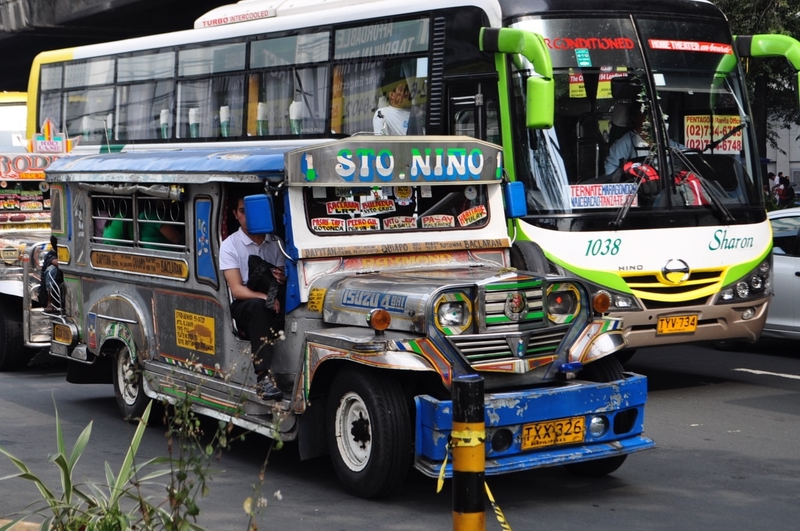
These old-school buses may be an attraction, but they’re also responsible for air-pollution and Manila’s incessant traffic congestion (not to mention no formal safety features or formats). In 2018, the government placed strict regulations on the Jeepneys, which saw many of them retire. New modern Jeepneys (called Public Utility Vehicles or PUV) now cruise the roadways offering tourists a safer, more comfortable way to get around.
Another accessible mode of transportation in Manila is the Light Rail Transit (LRT), which connects major areas of the city. Fees vary depending on the route, but you can find more information at the LRT website.
Best Time to Visit Manila
Manila has a tropical climate with hot and humid weather. You’ll see lots of rain from June to October/November, which is Manila’s wet season. It rains so much that the city will experience occasional flooding.
Most travellers prefer to visit Manila from December to February for the city’s dry season. The temperatures also drop a bit, making the country more comfortable. But it’s also a very popular time to visit, so be sure to book your hotel in advance.
April and May are the hottest months of the year. If you don’t like sticky hot, it’s best to avoid these months.
Flying to Manila
Ninoy Aquino/ Manila International Airport (MNL) is the primary gateway to the Philippines. As one of Asia’s busiest airports, it serves about 27 million passengers yearly. There are affordable flights from all over the world flying into Manila every day.
Manila makes a fantastic base as you prepare to see the best points of interest on your trip to the Philippines. From the beaches of Palawan and Cebu to the highlands of the Cordilleras, this archipelago country is full of interesting things to do and places to see. After all, ‘It’s More Fun in the Philippines!’
Top Things to Do in Manila
1. Fort Santiago
One of the top things to do in Manila is a visit to Fort Santiago, a building rich with a fascinating history. Built in 1571 by Miguel López de Legazpi, a Spanish conquistador, the fort acted as the citadel for the newly established city of Manila. It has almost a triangular shape, and the walls are 8-feet thick. Fort Santiago played an essential role in the British occupation of Manila, the American occupation of the Philippines, and the Japanese invasion during World War II. You can learn more about Fort Santiago’s role in the history of Manila in the museum inside the fort. The entrance fee is about C$15 and worth every cent.
2. Manila Cathedral
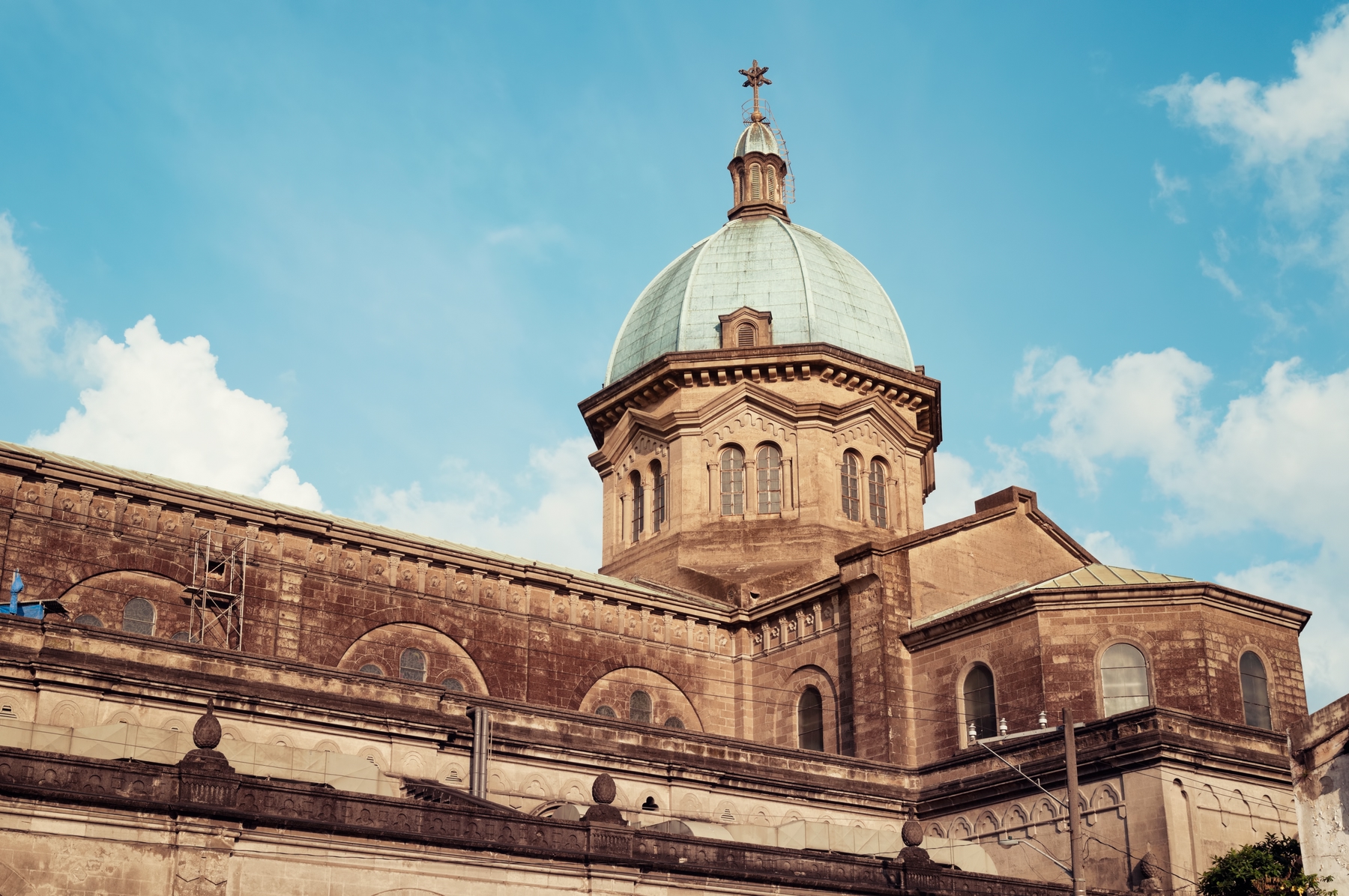
As the city’s mother church, Manila Cathedral attracts thousands of visitors each year, in addition to its devoted followers. The church’s long history dates back to 1571 when Miguel Lopez de Legazpi discovered Manila. He immediately reserved a plot of land for worship and the church followed. Although the cathedral has fallen due to disastrous fires, warfare and earthquakes, dedicated architects have always restored it. Today, worshippers and tourists will see beautiful stained glass windows, bronze angels, statues of saints, crypts, and an elaborate marble altar.
3. San Agustin Church
Located in Manila’s Intramuros you can find San Agustin Church, one of the city’s most famous attractions. This church is a UNESCO World Heritage Site with a fascinating history. Like the Manila Cathedral, this church is not in its original state. Fire ripped through the original bamboo structure not long after erection in 1571. Its replacement, a wooden structure, also burned to the ground. Finally, in 1586, stone walls secured the church’s future. This is the same church standing today (the oldest stone church in the Philippines). The church is accessible via the adjoining San Agustin Museum and costs about equal to C$5 to enter.
4. Rizal Park
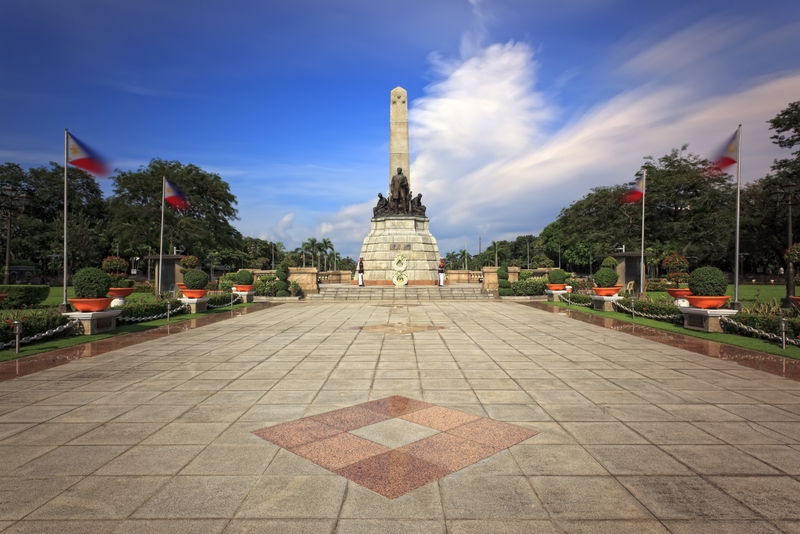
Rizal Park offers a day of low-cost fun in Manila and a bit of history, too. Explore the many statues, landmarks, and fountains within the park. Named after Dr. Jose Rizal, a nationalist who spoke out against Spain’s colonial rule in the 1800s. Rizal wanted peace in his home country but was sadly executed at the age of 35. There are many statues and monuments that pay homage to Rizal in the Philippines and Spain. If Rizal’s story inspires you to seek peace and quiet, check out the Chinese Garden (an additional entrance fee applies). Also, you can see the highest flag in the country while basking in the Filipino sunshine.
More things to do in and around Manila
- Head to some nearby beaches and islands in Batangas and Quezon.
- Shop ’til you drop at Robinson Place Mall.
- Go to the Tutuban Night Market, the most popular night market in Manila.
- Escape the city with a day trip to the mountains.
- Visit the National Museum of the Philippines and the Museum of the Filipino People (free admission for both).
- If you happen to be in Manila during the month of September, be sure to check out the Manila Book Fair. It’s one of the largest and most popular fairs in the Philippines, seeing over 150,000 visitors throughout the five-day event.
Where to Eat in Manila
The culinary scene in Manila is on the upswing. If you’re looking for high-quality Filipino cuisine prepared with local ingredients, stop at Toyo Eatery. This Manila hot-spot was recently named one of Asia’s 50 Restaurant’s 2019, so expect next-level innovation and serious tastiness. Try their take on the traditional street food of barbecue pork, also known as ‘Three-cut pork BBQ silog’. If you’re looking to get clean with some organic eats, check out The Wholesome Table. Visit here for a fresh, fine-dining experience in Manila that offers vegetarian and non-veggie organic comfort food.
Cheap eats
Budget travellers and street food enthusiasts and foodies, look no further than Hawker Chan, the world’s cheapest Michelin-star restaurant that has a few branches throughout Manila. Head here for a cheap and delicious variety of Southeast Asian street food. And always visit a Manila bakery for some delicious pastries. Try Eric Kayser Philippines for top-quality French sweets and bread.
Insider tip: Don’t leave the Philippines without trying Halo-Halo, a popular shaved ice sundae that can be found in markets all over the country for cheap. Topped with fruits, condensed milk, red beans and more, Halo-Halo is the best way to keep cool under the hot tropical sun.
Further reading: Must-try foods in Malaysia.
Where to Drink, Chill and Party in Manila
Metro Manila is split up in three major areas: Makati City, Quezon City, and Manila City. Makati City is the more upscale area of Manila known for its mall, Glorietta, and boutique shops. There are lots of places to eat and drink here if you’re looking for a comfortable sit-down spot. Just outside the mall is Greenbelt, an area brimful with local bars and affordable restaurants. Head to The Perfect Pint for, well, the perfect pint of craft beer and some casual vibes.
Cocktails and views
At The Buddha Bar, you’ll find a stylish setting in which to down a few cocktails under the watchful eye of a giant Buddha. Close by is Antidote, a rooftop bar with a side order of stunning city vistas. The cocktails may be a little pricey, but the view is worth it. And if you’re up for live music and sing-along locals, head to Strumm’s for some old-fashioned good times. Wine lovers rejoice at The Distillery – they’ve got a great selection of fine wines.
Best nightlife and clubbing in Manila
For nightlife and clubbing in Manila City, the Malate area has some of the best places to party in Manila if you’re looking for that artsy, bohemian atmosphere. You’ll also find unique establishments like The Hobbit House, which is perfect for fans of Lord of the Rings.
If you find yourself in Quezon City just north of Manila, you’ll discover even more clubs and all-night bars ready for a party. If you’ve got happy feet, you can dance the night away at one of the most popular nightclubs in the Philippines, Gully’s. And this place won’t break the bank!
Resorts World Manila is another popular spot in Manila to relax over drinks, great food, and a ton of entertainment. And with nearly a dozen on-site hotels, it will never be a long walk back to your accommodation.
Insider Tip: Dress the part if you’re planning to go out to a club in Manila. Many bars and nightclubs enforce a dress code, so leave the flip-flops and tank tops in your suitcase or backpack.
Where to Stay in Manila
If you’re just passing through Manila for an overnight or plan on staying a few days or more, here are some of the best hotels in Manila for every budget.
Luxury hotel
Diamond Hotel Philippines is one of Manila’s top-rated luxury and wellness hotels. Located right by the beach and close to a lot of Manila’s major sights and shopping, this hotel has plenty of amenities and services including a business centre, spa services, a pool, fitness centre, and a restaurant and bar. Rooms from $176/night.
Mid-range hotel
The Hop Inn Hotel Ermita Manila is a great option if you’re looking for airport hotels in Manila. It’s close to the main sights in the city and lots of shops and restaurants nearby. Rooms from $44/night.
Budget-friendly accommodation
Lub d Philippines Makati is an excellent budget option if you’re looking for a hostel in Makati. Lub d is a popular hostel chain throughout Southeast Asia and they are known for their stylish, modern decor and good facilities.
Rooms (dorm) from $15/night.

Want to Book Your Trip to Manila?
Now that you know the top things to do in Manila, start planning your vacation with Skyscanner search engines. Search cheap flights, hotels, and car deals to get the best prices and rates to the Philippines and beyond.


