Planning a trip to India but feeling overwhelmed by the unknowns? In this guide, we’ll help you avoid some of the main snags Canadians run into while travelling to India, and highlight experiences not to be missed on your India adventure.
While a travel destination like India might seem far gone at the moment, there’s nothing wrong with dreaming up your perfect getaway to India so that you’re ready when the time is right. Keep reading for advice on travelling in India, including tips for group travel, solo travel, visas, money, safety concerns, and more.
Essential info for Canadians travelling to India
We don’t have a cure for culture shock just yet, but we can help you troubleshoot some common issues before you embark on a trip to India with these travel tips.
Getting a visa for India
Canadians travelling to India may apply for a Tourist eVisa. You can fill out the forms online and pay the fee by credit card or Paypal. The current visa fee is $76 USD (about $105 CAD) for the normal processing time of 5 business days. We recommend starting the process at least a month or more before your planned trip to India. The new eVisa processing fees are much faster nowadays, but it’s not recommended to do your paperwork at the last minute.
For the latest information on Canadians applying for visas in India, including the online application form, check out this website.
What’s the time difference?
Interestingly, India has only one time zone throughout the country. The government decided to leave it this way in order to avoid confusion with transportation across the hypothetical zones. Indian standard time (IST) is 12.5 hours ahead of Vancouver (PST) and 9.5 hours ahead of Toronto (EST). Canada has six different time zones, so you can look up your time difference with this handy time zone converter.
Can I get by speaking English in India?
There is no one language that works in India. Over 22 languages are spoken throughout the country and that doesn’t account for all the different dialects. Although English is taught in schools, not everyone in India is able to afford education or has learned enough to retain proficiency. If you’re travelling exclusively in urban centres and tourist destinations, you can get by but it’s always better to learn some phrases. If nothing else, it will make people more inclined to be kind toward you. A simple “Namaste” can go a long way.

How to stay healthy on your trip to India
What vaccines do I need for India?
You should schedule a visit to your doctor before you go. Your MD will want to ensure you are up to date with standard vaccinations and will also recommend further injections against Hepatitis A and Typhoid. She might send you off with some anti-malarial medications as well. If you deal with chronic conditions that require medication, bring extra, and don’t assume that you will have access to your meds over there.
The quality of healthcare, as well as the risks, vary depending on where you go and what you do in India. Generally, the care you’ll get in urban centres is good. If you’re heading somewhere more rural, you might want to bring some basics with you just in case, like a first-aid kit. Consult these general health and safety guidelines from the CDC and check the government of Canada’s India advisory page for up to date travel notifications.
How can I avoid getting sick when I’m in India?
Your dainty Canadian gastrointestinal tract is likely to get upset over there – a common affliction known as “Delhi Belly”. You will want to be particularly careful during the first few days to give your system a chance to acclimate. Stay away from tap water at all times, and don’t eat any salad or fruit that may have been washed in it. It might be a better idea to eat produce that you can peel yourself right before eating it. Avoid meats, at least for the first little while and then after that only eat from reputable establishments. You won’t go hungry, as India has the world’s best selection of vegetarian delights.
With care, you can avoid illness-causing microorganisms, but eventually, you will have to face the spice! Don’t think for one second that you’re all good because you order triple pepper hotness at your local Indian restaurant. The spiciest Canadian version is bland compared to the dishes in India. Start training early with sriracha sauce and adding some chilli pepper to your favourite foods.

What to pack for India
What are some essential travel items for India?
For starters, a backpack. Then you will want a lock and cable for it. Don’t forget hand sanitizer and wipes, and a really good pair of closed shoes with structural support for walking all day. Pack a pair of flip flops for the shower and the beach. Tampons and condoms can be harder to come by, so you might want to bring those items with you.
If you like using toilet paper, bring some everywhere you go. The left hand and a bottle of water are what are often used over there in lieu of double-ply. This is why in India it’s considered rude and unclean to use your left hand in any interaction.
What should I wear in India?
You will get stared at no matter what because folks are genuinely interested in foreigners, but one of the best ways to blend in better is to dress the part when travelling around India. Dress in India is more conservative than in Canada, especially for women. So no matter how hot it is, it’s not considered acceptable for women to bare their shoulders or legs. While there are some areas where you can wear a Western dress without attracting unwanted attention, it’s best to err on the side of conservatism.
If you are travelling to India in the summertime, you might find yourself overheated while trying to meet these standards of modesty. So bring some loose-fitting linen items to keep cool. Consider dressing in salwar kameez (a long tunic and pants that suit any gender).
One handy item (it will turn into an essential!) while travelling in India is a dupatta (long scarf), and is great to wrap yourself in for an extra light layer and if you want to cover your face when feeling overwhelmed by smells or pollution. You can also use it to cover your head when you step into places of worship.
Travel costs, exchange rates, and more
What’s the exchange rate in India? Should I bring cash or cards?
1 CAD is about 54 Indian rupees. The best option is to use the local ATMs so that you have the cash you need for a few days. Please note that the daily withdrawal limit for Indian banks range between 10,000 – 25,000 Rupees, which can last you more than a week if you’re on a low/mid-range budget, so plan accordingly. Remember to call your bank and get them in the loop about your trip, otherwise, they might refuse your international transactions.
You can bring CAD, USD, or Euros with you to India and exchange them for Rupees at exchange kiosks. This is not the best way to bankroll your trip, however, because you will end up losing money on the exchange due to fees or markups on exchange rates. The exchange rate is much less by ATM. Note that foreigners are barred from importing or exporting Indian rupees. You can bring your Canadian cash out of the country though. There is no limit technically, but you will have to declare it if it exceeds $5,000 USD.
How much does it cost to travel in India?
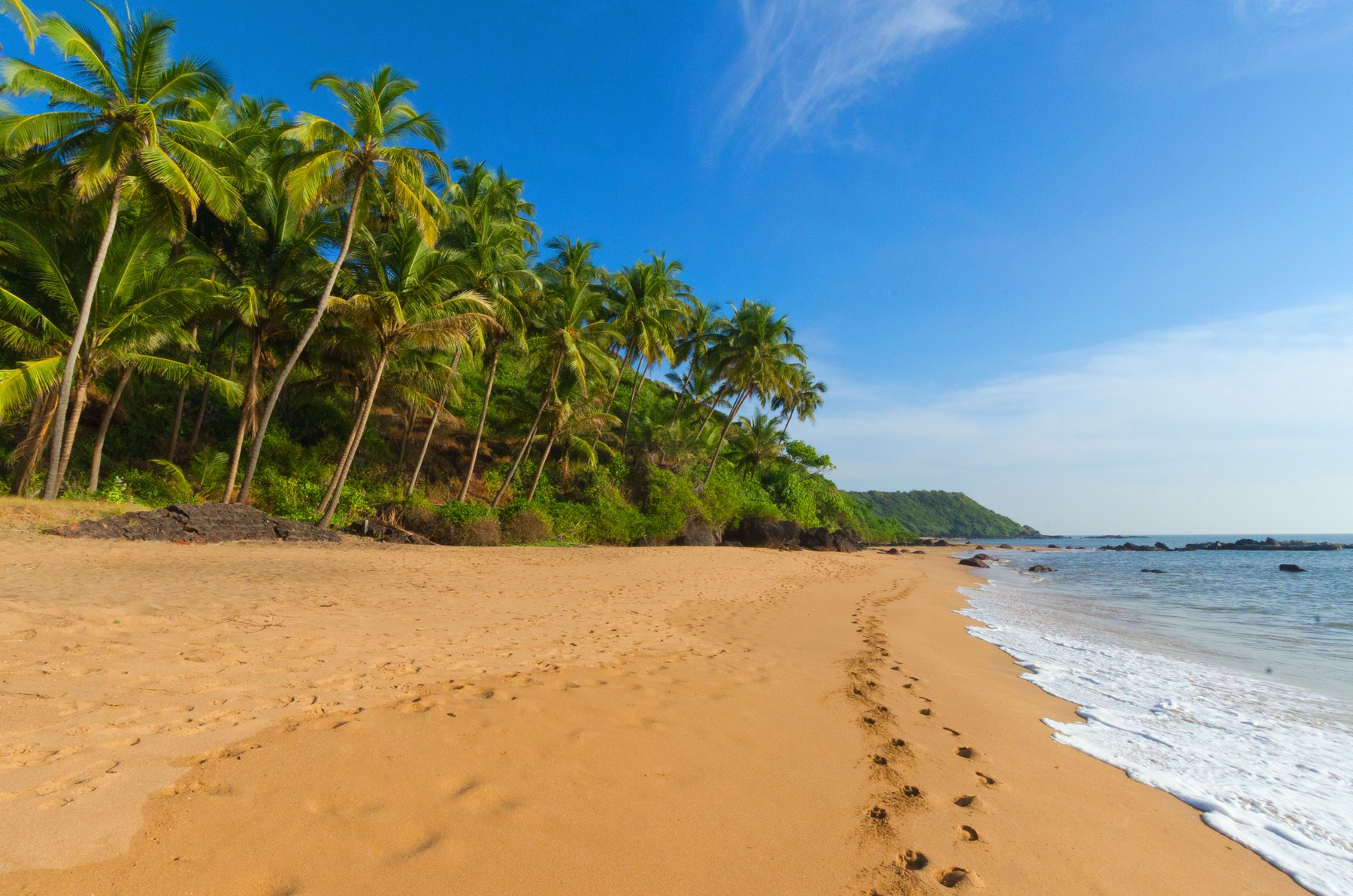
The south of India is much more ‘touristy’, filled with bigger cosmopolitan cities like Bangalore and major tourist hubs like Goa, so the prices here on food and accommodation will be more expensive than in the north. Backpackers in India can get by on $30-50/day in the south, and mid-range travellers can easily do with less than $80/day. Many budget travellers exploring the north of India get by on less than $10-15/day, with food and chai being less than a few dollars and budget accommodation can easily be found for $5 or less. One of the main draws of India is that it’s a relatively cheap destination for travellers.
Tips for staying safe in India
Is India safe?
Safety varies from place to place in India, and some places are currently in conflict. The government of Canada keeps an up to date risk assessment for different areas. Be sure to consult their page and plan accordingly. Major tourist areas throughout India are generally pretty safe and India’s tourist industry has a vested interest in keeping you intact, so listen to your drivers and tour guides when they tell you to avoid certain areas. That being said, India typically gets millions of visitors every year from all over the world and many of them are solo travellers, including female solo travellers.
Travelling solo in India
No matter where you go if you are travelling solo in India, you will want to keep your wits about you.
- It’s best to avoid showing too much money or skin.
- Avoid travelling on the train or bus during the night. Although plenty of solo travellers will take night buses and trains and their experiences have been positive, it’s best to go with what feels right for you.
- If you’re a solo female traveller in India, follow the lead of Indian women who know best.
In general, if you are travelling alone, especially as a woman, people will look out for you and help you if you are in trouble. You may have heard some troubling reports in the news, but bear in mind that there are many, many more stories of Canadians being helped and cared for in India than anything else.
For comprehensive maps of India by state, region, and major points of interest, click here.
Getting WiFi in India
When arriving in India, your best bet is to purchase a local sim card so that you’ll have a local number and you can top-up your data whenever you need it. Local plans are very affordable! And remember to turn your roaming off so that you aren’t charged by your Canadian service provider. Lots of cafés and restaurants in cities will have WiFi so you can easily stay connected. Make sure to download some handy travel apps and get them prepped on your mobile device before your India trip!
Should I do a tour in India?
If it’s your first visit to India, you may want to consider taking a guided tour. Maybe you will make some friends on the tour and you can travel onward together, or you can take off independently once you feel confident. If you are looking to take a tour on your trip, The Golden Triangle Tour with Intrepid Tours is a great option for first-timers in India. A bonus with them is that they have an initiative to employ more women as guides.
What if I get into trouble?
The government of Canada has a list of resources for Canadians travelling in India. On this page, there is a list of emergency numbers in India that you can print and put in your wallet and we suggest you do so. If you have an emergency in India, don’t call 911, instead, you should dial 100 for police and 102 for an ambulance. Canadian consulates can be found in the Indian cities of New Delhi, Bengaluru, Chandigarh, Kolkata, and Mumbai. All of their info and addresses can be found on the government of Canada page above.
People will be better able to help you if you can speak their language. If you’re travelling in more rural areas then it will serve you to find out what the local language is and learn some key phrases. Hindi is widely used throughout much of northern India. In the southern regions of India, you are better off speaking English because Hindi can be met with some hostility for political reasons.
The word “madad” means “help” in both Hindi and Punjabi. This is a good word to know, and the translations are quite similar in other Indian languages, such as “madad” in Gujarati and “madat” in Marathi.
Best time to visit
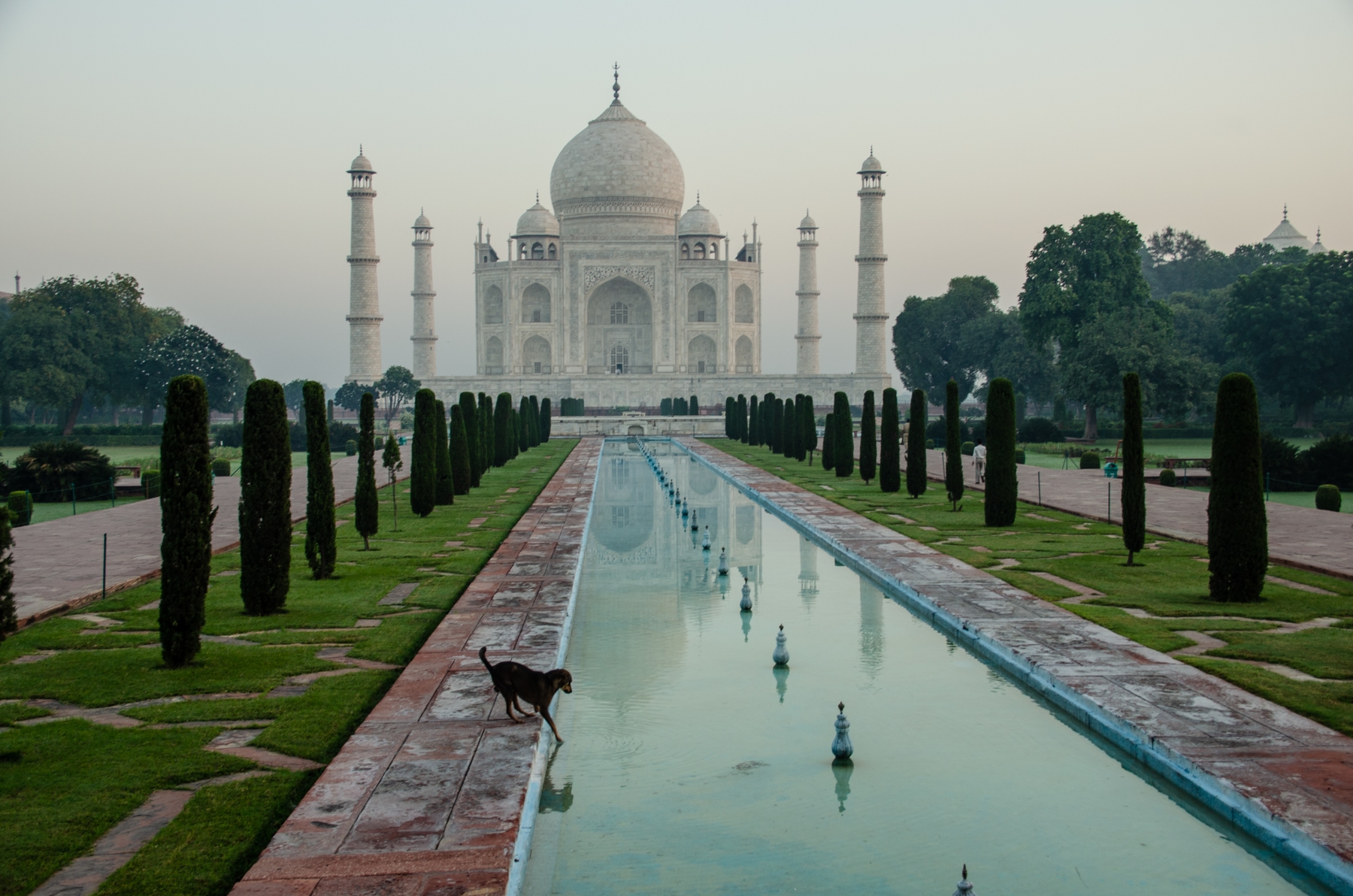
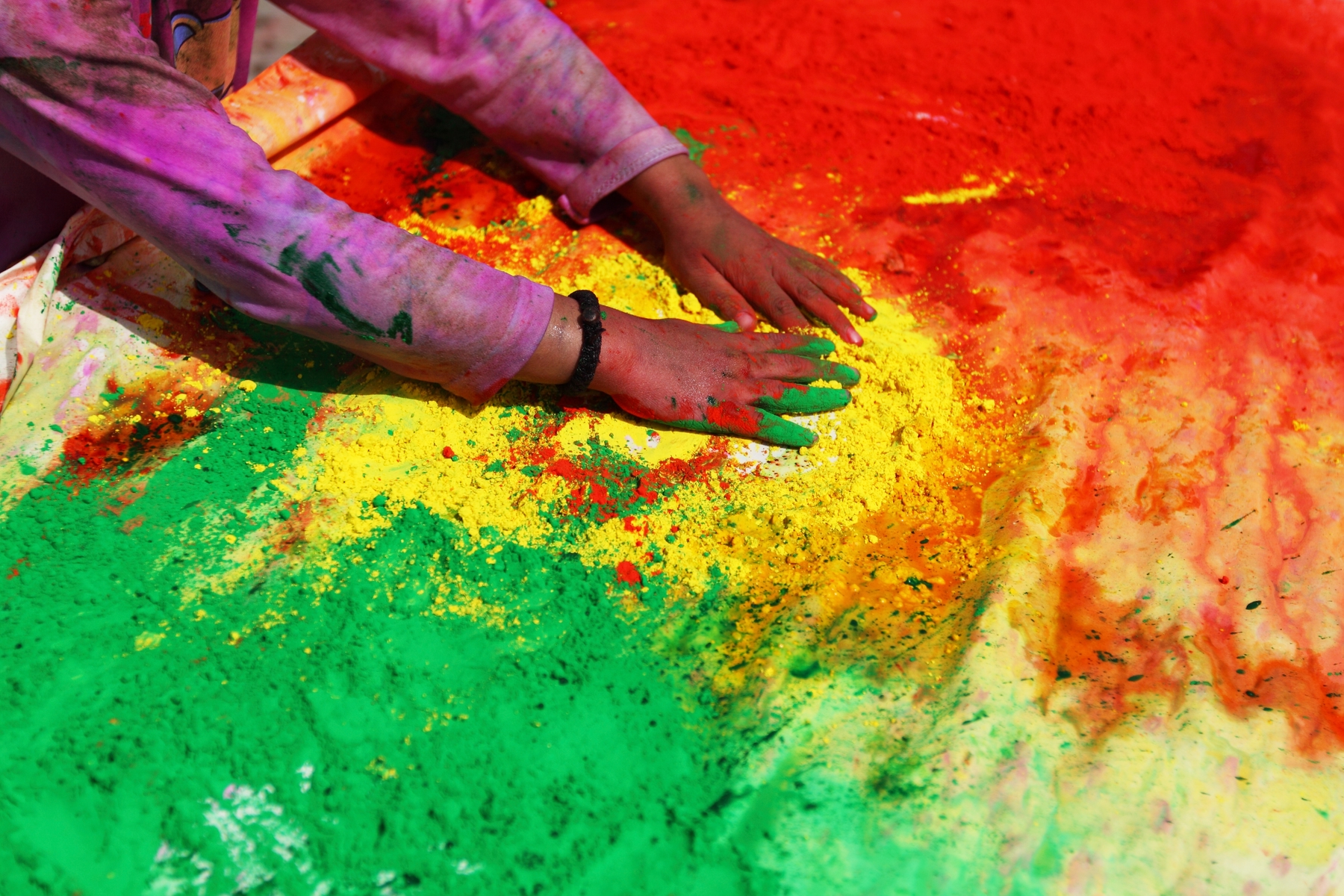
High season in India runs between May and September so booking during the winter months could save you some money on flights, hotels, and the like. The south of India, which includes Mumbai, Goa, and Kerala, get heavy rainfall between the months of June and September. In Agra and New Delhi, you will find a dry climate and moderately warm temperatures between October and March. If you’re into festivals, consider planning your India trip around the country’s popular celebrations and events like Holi (around March) and Diwali (October).
Best things to do in India
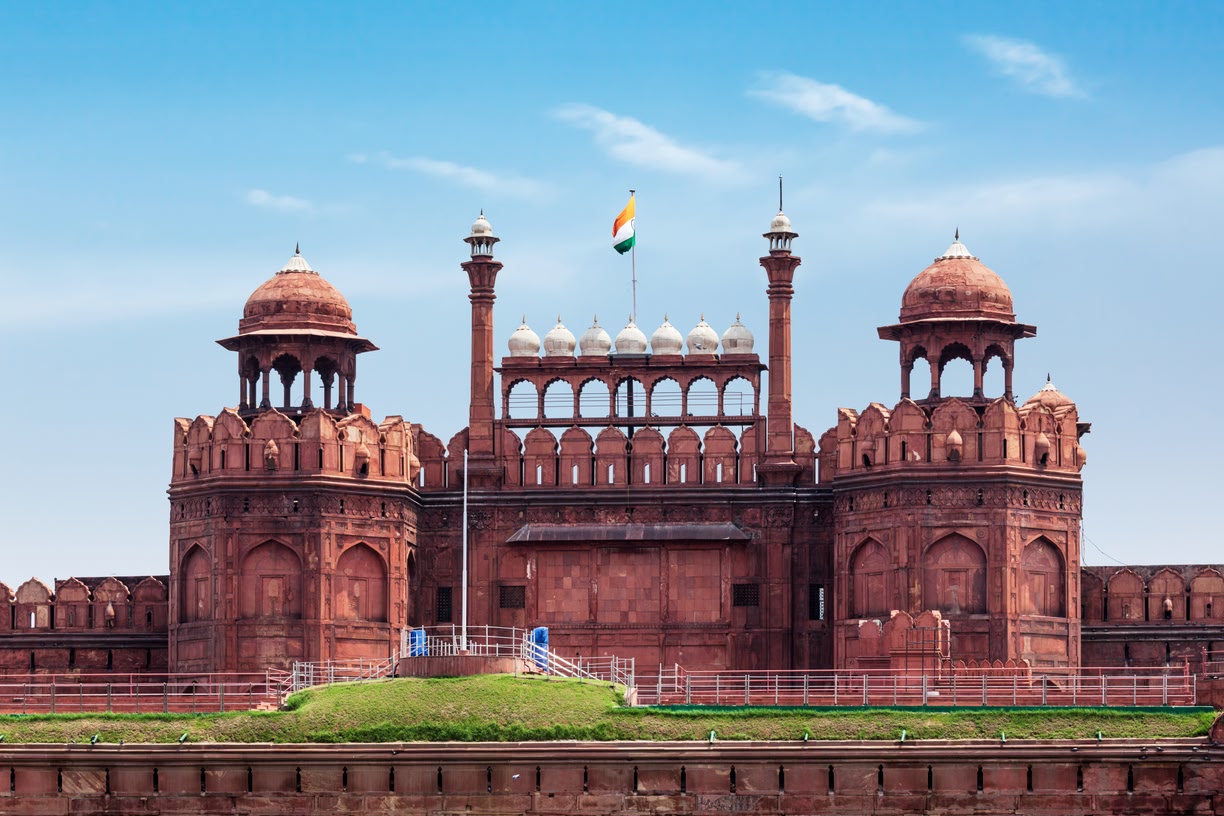
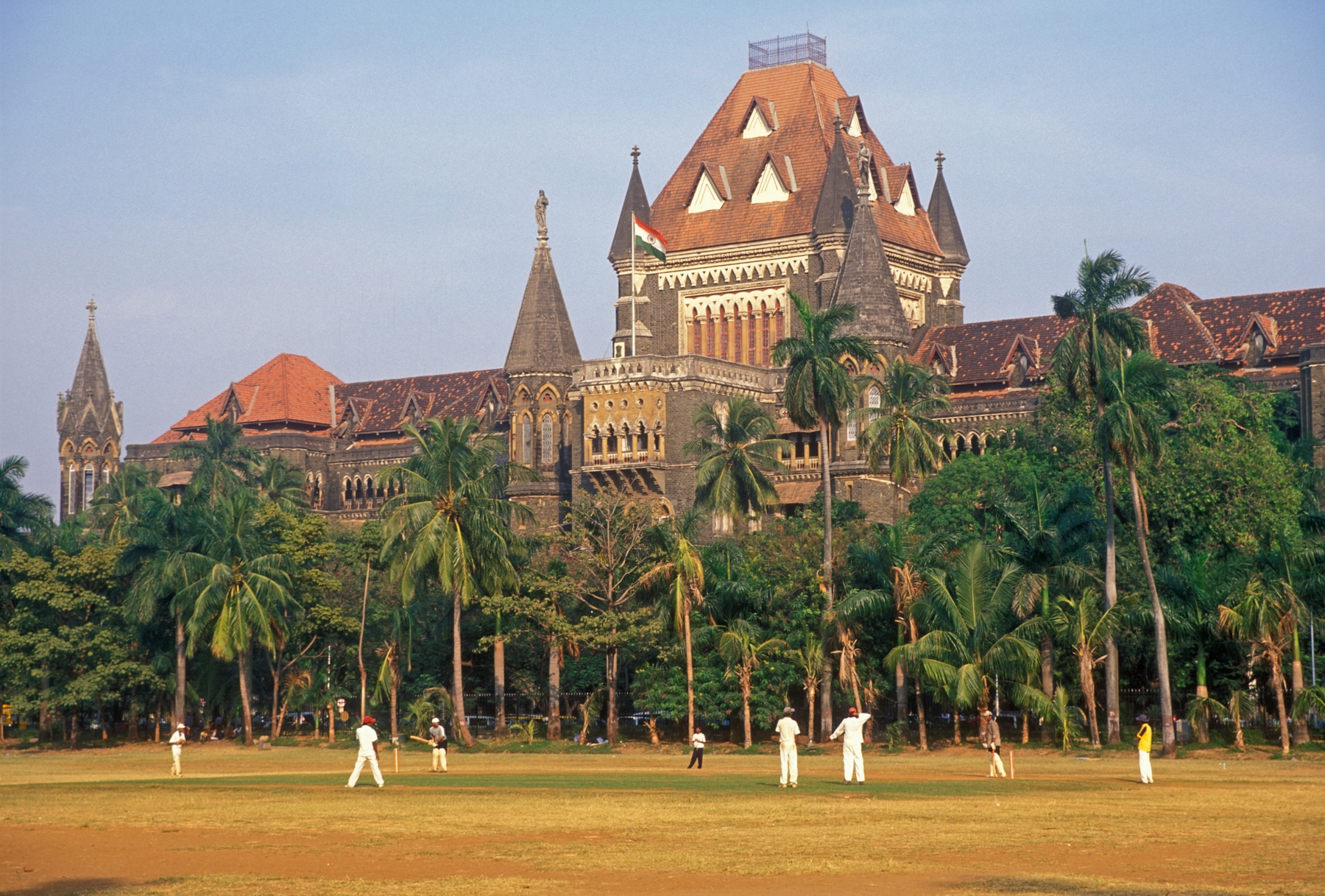
You’re probably familiar with the main cities in India like Mumbai (formerly Bombay), Goa, and New Delhi, to name a few. Likewise, you may know the main attractions like the Taj Mahal, the Golden Temple, and the Red Fort. Before setting out on your unforgettable trip to India, think about how much time you have and prioritize the things you really want to do and see.
Our advice: if your visit to India is short, be selective and take the time to really savour a few incredible experiences. You won’t want to leave a travel destination like India without ever actually standing in awe at the utter magnificence before you. India is a very old place with an incredibly rich history, culture, and spirituality. It’s a good place to bow your head in contemplation of the bigger questions.
Getting in and out
India is a great hub if you’re looking to continue further in your travels. Fly to nearby Sri Lanka, different parts of Asia, Europe, and the Middle East from India. The major airports in India are Mumbai (BOM), New Delhi (IDEL), and Bengaluru (BLR).
Some final travel tips
India will be overwhelming but a rewarding travel experience at the same time. Here are some last tips to consider before your trip to India.
- Do your research: This travel guide is a great start.
- Don’t over-plan: Be prepared for the unknowns by not overplanning or sticking to a rigid schedule!
- Get insurance: Here are the best travel insurance plans for Canadians.
- Keep an open mind: There are many differences between our cultures and it’s best you adapt to theirs to make your trip easier and safer.
Lastly, remember that Murphy’s Law applies internationally, so leave some room for things to go awry. A trip to India is the adventure of a lifetime, so take a deep breath and dive in – you won’t regret it.
Ready for more travel inspiration?
- Check out these incredible hot springs in Canada
- How to spend the perfect day in Sydney from home
- Flight change and cancellation policies


