We all love to adventure and explore. For those lucky enough to be able to journey abroad with their kids, travel can provide exciting experiences and create cherished memories which last a lifetime.
But, as with any vacation, safety should always be considered. If you’re renting a car, or taking your own overseas, brushing up on the local car seat rules is a must.
Although safety recommendations exist for the whole world, the actual rules are a little different wherever you go. That’s why parents and legal guardians traveling abroad may want to learn more about the laws of the country they’re vacationing in.
Thinking about taking a trip with the little ones in the near future? Our comprehensive global map will let you know the child car seat dos and don’ts for everywhere and anywhere you might travel.
Quick Pullouts:
*Disclaimer*: While the law is different in every country, we encourage all parents and legal guardians to take the necessary steps to keep their children safe when driving. As a rough guideline, that means using the following types of seat:
Babies (0-2) – Rear-facing
Toddlers (3-4) – Forward-facing
Grade schoolers (5-8) – Booster seats
Older children (9-12) – Backless booster seats
Understanding different child car seats in Canada and their safe usage
Now that you know what rules to follow for your destination, it’s time to brush up on which seats are best for your kids. Remember – even in countries where no official laws exist, it’s always smart (and safer) for young kids to be buckled into a child seat during journeys. In this section, we’ll look at the different types of seat available, as well as help you brush up on some general safety tips. We’ll also look at what it means to drive in Canada.
What kinds of car seats should I use for a child?
As every parent knows, little ones sprout up quickly. And as wonderful as it is to see them grow, that does also mean having to regularly change their car seat. There are four main seat options that parents should know about, depending on your child’s age and size:
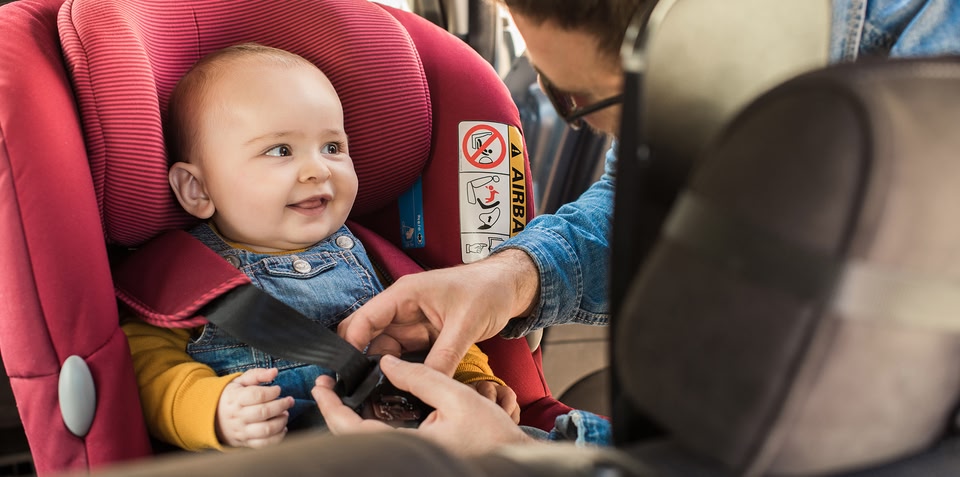
Rear-facing car seats
Best for infants during the first few years of their lives, these seats offer protection for a child’s head, back, and spine. They can be attached in either the front passenger seat or rear of your vehicle, and usually work for kids as old as four.

Forward-facing car seats
As they continue to grow, a child can be placed in a forward-facing seat. For this to work, they need to be able to sit tall and straight, without moving. That’s why forward-facing car seats are generally only for toddlers and up. Kids who fit into this range tend to be anywhere from three to six years of age, but the exact specifications will depend on their weight and height.

Booster seats
Next comes the booster seat. These allow for a child to sit in the back of a vehicle, with the booster making it easier for them to be safely attached via the car's actual seat belts. Big kids can sometimes put up a fight when asked to sit in a booster, so try to make it feel like a fun or special chair for them, rather than a chore.

Seat belts
Last but not least, kids will eventually grow enough to use the regular seat belts in a car. If you’re confused about whether the seat belt fits a child properly, make sure to carry out the full seat belt test.
The age, height, and weight at which each of these seats needs to be used will change, depending on the country you’re in. That’s why our handy map exists to help you know what rules to follow.
How to safely install different car seats
Finding the perfect seat isn’t too tricky if you know your child’s specifications. What’s tougher is making sure you’re installing it properly. If you accidentally set it up wrong, a child’s seat might not offer the same protection in the unlikely event of a crash. That’s why it’s really important to follow these steps for safe installation:
Rear-facing child seats
Place the seat in the rear of the vehicle, away from any active airbags
Angle the seat as shown on the sticker or level indicator that it comes with
Feed the anchor system or seat belt through the belt path on the seat. There should be no more than 2.5 cm (1 in) of movement
Use harness slots to position the straps. On a rear-facing seat this is below the baby’s shoulders
Make sure that the straps are straight and snug. It shouldn’t be loose enough to be able to pull at any part of the strap.
Center the chest clip on your child’s sternum
Make sure the seat is secure every time you attach a child to it
Forward-facing child seats
Place the seat in the rear of the vehicle away from active airbags
Feed the anchor system or seat belt through the belt path on the seat. There should be no more than 2.5 cm (1 in) of movement.
Use harness slots to position the straps. On a rear-facing seat this is at or above the child’s shoulders.
Use the top tether strap (found on the back of the seat) to the right anchor point in your vehicle
Make sure the chest clip is central to the child’s sternum
Always check that the seat is secure before any journey
Booster seats
Place the booster set in the back of the vehicle, away from active airbags
Place the booster seat in a position that has both a lap and shoulder seatbelt
Adjust the seat’s lap and shoulder belts. The shoulder strap lies across the shoulder itself and the middle of their chest (not the neck or face), and the lap belt is across the hips (not the stomach)
Make sure something is supporting your child’s head. This should be the top of the booster seat itself or the car’s built-in headrest.
It’s best to let your child fully outgrow their forward-facing seat before moving them up to a booster.
Seatbelt tips
Canadian child car seat certification and compliance
Not all car seats are created equal. Parents and guardians are required by law to only use those which have been federally approved for use. All car seats which have been approved for legal use by the government of Canada will have a National Safety Mark (NSM) found on them. This will be written in both English and French. The mark will look like a maple leaf, encased in a circle. The year that the product was certified will be inside the leaf. If you don’t see this symbol on a car seat, it isn’t safe for use.
Type labelling for universal use
Not all seats fit safely into every car or van. Knowing whether or not one will work for yours depends on its label. Here are what the three different types of label mean:
Universal approval | Semi-universal approval | Vehicle-specific approval |
|---|---|---|
Labels that are universal can be used in any car. | If a model is semi-universal, you’ll need to check your car’s manual to see if the seat will fit. | These seats can only be used in certain vehicles. |
These ratings will be easy to spot on the orange label that’s included on any seats. Fingers crossed your seat is universally approved. If it isn’t, you may need to do a little bit of research to see if it’s safe for your car.
Canadian child car seat statistics
Figures from the Canadian Automobile Association (CAA) have recently highlighted the immense value of using the right kind of child seat when driving. They found that:
Car seats reduce the chances of death for infants in a crash by a whopping 71%
They also reduce the risk of hospitalization for those under four by 67%
Booster seats alone were found to provide 59% more protection than a conventional seatbelt.
The numbers emphasise the importance of using the right kind of seat when you travel. But findings from The Child Passenger Safety Association of Canada (CPSAC) raise alarm bells about the correct usage of these child safety systems. They found that:
73% of all car seats were installed incorrectly
30% of kids in booster seats were too light for them
52% of all children in regular seatbelts did not fit safely in them
Knowing how to properly install a car seat will have a huge impact in the unlikely event of a crash. Educating yourself is the best step towards guaranteeing that your little ones can travel safely.
Child seat safety tips
A child car seat won’t do much good if a little one isn’t properly strapped in. To make sure a seat is protecting a child as it should, keep these handy tips in mind:


Watch your child’s positioning
If a child can wiggle around, or doesn’t seem supported in their seat, it could be that they’re too small for it. Also watch for where the seat belt rests on older children. It needs to be across the chest and on the bony part of their shoulders, rather than behind their back or under their arm.

Check expiration dates
Strange as it sounds, child car seats can expire. You can find this date on the orange label that comes with the seat, or in the instruction manual that was in the box with it.

Check online tutorials to be sure
Watching online tutorials explaining how to safely install the seat that you’re using can be a gamechanger. These step-by-step guides can sometimes be easier to understand than a text-heavy manual, as you’ll be able to watch them over and see exactly what the driver in the video is doing. Look for tutorials provided by the manufacturer or reputable sources.

Attend a seat clinic
There are even classes which you can take to make sure you’re being taught how to properly adjust a car or booster seat. These will give you a clinic on how to best go about doing this, with an instructor then able to guide you on what you could be doing better after you give it a go yourselves. In some cases, a retailer will also show you how to fit and use a car seat. If you’re not totally confident, you may even be able to come back for a refresher further down the line.

When using the carrier outside the vehicle
Sometimes it’s easier to keep a child in their seat when moving them outside of a vehicle. This is perfectly safe, so long as you keep them securely buckled, never place them on a raised surface (where they could fall), and immediately take your little one out of the seat once it’s safe to do so at your end destination.

Don’t use non-approved accessories
You may find some brands include accessories to make a journey more comfortable for a child. Make sure you’re only attaching any that are officially licensed to be included on your seat. Unlicensed products could malfunction.
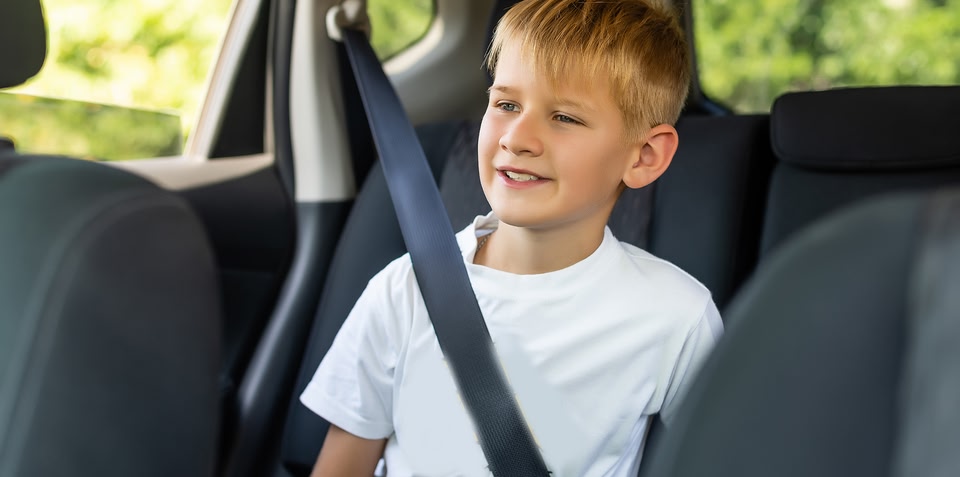
Do the seat belt fit test
It could be that you think your child is ready for a traditional seat belt. If so, this quick test will let you know if a child is ready for this big step or not: