
Head to the far-flung corners of the world with a getaway to some of the most remote places on Earth.
It may take a few flight connections, ferries, and long drives, but travelling to the most remote places in the world is worth the patience and planning. These isolated places offer surreal landscapes, night skies free of light pollution, and plenty of solitude.
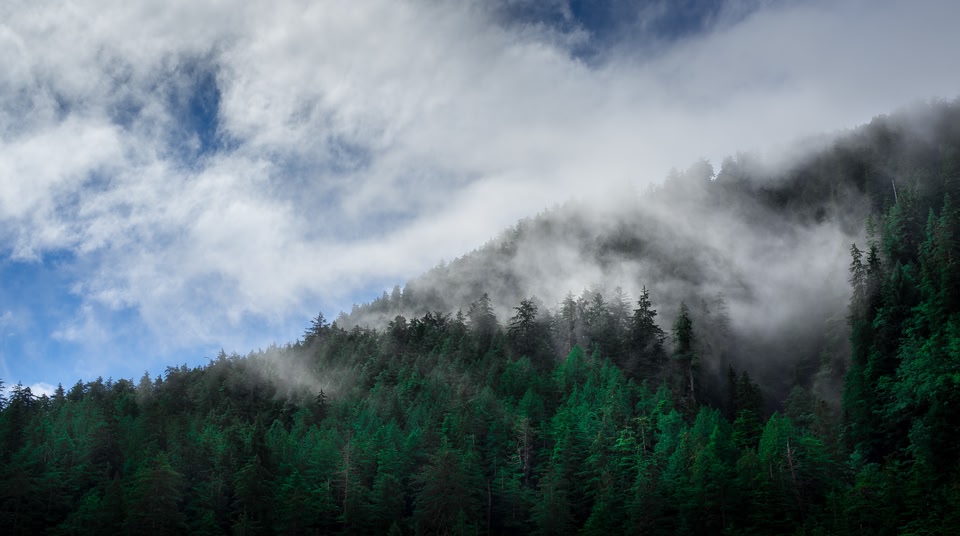
Haida Gwaii, British Columbia
Most remote places on Earth: Haida Gwaii
Nicknamed the "Galapagos of the North," Haida Gwaii is one of the most remote places in Canada. Located off the northwestern coast of British Columbia, Haida Gwaii isn't just one remote island—this archipelago on the edge of the world is made up of more than 150 islands. Although rugged and seemingly untouched, the Haida Nation has a millennium of history among the ancient rainforests of Haida Gwaii.
These are the Islands of the People: Xaayda (Haida) means “people,” and Gwaay.yaay (Gwaii) means “islands."
Book a whale watching tour, check out the coastline in Naikoon Provincial Park, and learn about the history of the Haida Nation at the Haida Heritage Centre. During your visit, keep the Haida Nation's teachings in mind—Yahguudang means respect for all living things, including the unique and sensitive ecosystem of the islands.
To access this remote destination, fly into either Sandspit Airport (YZP) or Masset Airport (ZMT). BC Ferries also operates a route that travels from Port Hardy to Prince Rupert, then from Prince Rupert across the Hecate Strait (some of the world's most dangerous seas) to Skidegate on Graham Island.

Hecla Island, Manitoba
Most remote places on Earth: Hecla Island
Head to the secluded Hecla Island located in Lake Winnipeg for a remote family vacation in Canada this summer. A two-hour drive from Winnipeg in Manitoba, Hecla Island is a lesser-known getaway on Lake Winnipeg.
Get your daypack ready—tons of hiking and wildlife spotting await. Take the 5km out-and-back hike to the Gull Harbour Lighthouse overlooking Lake Winnipeg, and visit the historical sites of Icelandic immigrants at Hecla Village. Many visitors pitch a tent or rent a rustic cabin at Hecla Campground during their stay to get fully immersed in the remote wilderness, but you can also check out Lakeview Resort Hecla.
Find cheap flights to Winnipeg
Fogo Island, Newfoundland
Most remote places on Earth: Fogo Island
Home to about 2,100 residents across 11 communities, Fogo Island is a remote Canadian destination with deep local culture, rugged coastal scenery, and memorable outdoor experiences. Getting there involves multiple connecting flights to get to Gander, followed by a one-hour bus ride and a 45-minute ferry.
Once there, you'll find a close-knit community shaped by traditional Newfoundland life and a growing tourism economy. Visitors can explore hundreds of kilometres of hiking trails, including Brimstone Head, watch for whales from the harbour, see massive spring icebergs drifting down from Greenland, and spot puffins nesting along the cliffs in summer.
The all-inclusive Fogo Island Inn is a sustainability-focused resort that hosts much of the island's tourism, and its artist residency program, Fogo Island Arts, draws visitors from around the world. Built with sustainability in mind, the inn reinvests its operating surpluses into local communities.

Baffin Island, Nunavut
Most remote places on Earth: Baffin Island
Nunavut is one of the most sparsely populated territories, and Baffin Island is an even greater adventure in the northern wilderness. Baffin Island offers Arctic landscapes, Inuit culture, and wildlife experiences you can't find in most parts of Canada. Reaching Baffin Island typically involves flights through northern hubs to Iqaluit, a common starting point and one of the most remote towns in the world.
You'll find plenty of adventure in the steep fjords and mountain peaks in the Valley of Thor. There are also expedition and touring companies that can take you to the best spots for spotting northern wildlife, such as narwhals, polar bears, wolves, and Arctic hares.

Carcross Desert, Yukon Territory
Most remote places on Earth: Carcross Desert
The Carcross Desert is one of the most unusual landscapes in Canada. Located near the 300-resident community of Carcross, this area is often referred to as the world's smallest desert, although it's technically a system of sand dunes. Surrounded by mountains and forests, the dunes formed from sediments left behind by a large glacial lake at the end of the last ice age. Now, the dunes are popular for sandboarding and off-road scenic tours.
Find flights to Whitehorse
Athabasca Sand Dunes, Saskatchewan
Most remote places on Earth: Athabasca Sand Dunes
The Athabasca Sand Dunes stretch roughly 100km along the southern shore of Lake Athabasca in northern Saskatchewan. Recognized as one of the northernmost active sand dunes in the world, the area remains largely untouched due to its isolated location, and its ecosystem supports rare and endemic plants.
Access is limited to boats or floatplanes, and there are no on-site services, so most visits are arranged through guided tours or specialized wilderness operators.

Barra, Scotland
Most remote places on Earth: Barra, Scotland
Among the rugged islands of Scotland's Outer Hebrides, Barra combines coastal scenery, history, and an easygoing pace. There are accommodations scattered along the coast and plenty of sandy beaches, quiet roads, and local seafood restaurants to enjoy on a getaway.
Visit Kisimul Castle, a medieval fortress by Castlebay, and hike on scenic trails along the shores of Cliad Bay. Travellers can access the island by plane or ferry and then take the local public bus around it. It’s about an hour for a direct flight to Barra from Glasgow.

Mongolia
Most remote places on Earth: Mongolia
Set in the Gobi Desert between the remote regions of northern China and Russia to the north, Mongolia is one of the most remote countries in the world.
Half of its 3.5-million total population lives in the capital city of Ulaanbaatar, leaving most of its 1.5-million square kilometres barely populated. Much of the population is nomadic or semi-nomadic, and a homestay with a nomadic herding family is a popular way to experience the country authentically. Other than hotels in Ulaanbaatar when you fly in, most of your accommodations will be in nomadic gers and yurts, where you can relax in the wild and under the clear night sky.
Get flight deals to Mongolia
Kyrgyzstan
Most remote places on Earth: Kyrgyzstan
Kyrgyzstan offers some of the most dramatic mountain scenery in Central Asia. About 90% of the country is at least 1,500m above sea level, creating mountainous landscapes with snow-capped peaks and alpine lakes and valleys. The country has invested in tourism over the past few years, and Canadians can stay without a visa for up to 30 days within a 60-day window.
Getting around Kyrgyzstan often means long drives on rough roads, horseback trips, or stays in small villages far from major cities. To explore some of the most remote parts of the country up close, traverse the Kyrgyz Nomad Trail. Stretching 2,000km across northern and eastern Kyrgyzstan, it's the longest trail network in Central Asia and connects to several remote destinations, such as Tash Rabat and Ala-Kol.

Glenorchy, New Zealand
Most remote places on Earth: Glenorchy, New Zealand
Glenorchy is a small town located at the northern end of Lake Wakatipu on New Zealand’s South Island. Film fans may recognize some of its landscapes from The Lord of the Rings, such as Dart Valley and Mount Earnslaw. The drive from Queenstown takes less than an hour, and visitors can stay in lodges, cabins, guesthouses, and lakeside accommodations.
Kayak on Lake Wakatipu, or go zip-lining in Paradise Valley, the ancient beech forest (which you might recognize as Lothlórien). Glenorchy also serves as a gateway to several well-known hiking routes. For the most remote experience, explore the mountain ranges and meadows of the Routeburn Track, a 33km point-to-point hike in Fiordland National Park.
Start planning your adventure trip
Start dreaming about your next getaway, and find your perfect accommodations in these remote destinations around the world. Want to read more? Get more travel info and inspiration here:
Frequently asked questions: Most remote places on Earth
Skyscanner can help you find the best flight, hotel, and car rental deals for your next trip.


