
If you’re thinking about planning a trip to Québec’s Gaspésie region, don’t miss these travel tips and tricks to help you create the perfect road trip itinerary for the Gaspé Peninsula.
The Gaspé Peninsula (also known as Gaspésie) is one of Québec’s most beautiful destinations. Think the Atlantic coast of Canada, but with a French-Canadian twist. Filled with national parks for hiking, breathtaking beaches, amazing whale-watching opportunities, and remote islands where you can truly get away from it all, there is so much to discover in Québec’s Gaspé Peninsula.
Where is the Gaspé Peninsula?
Head east along the St. Lawrence River from Montreal and Québec City, and you’ll hit La Gaspésie. Stretching 250km, this peninsula in the southeastern section of the province of Québec is where the St. Lawrence River flows into the Atlantic Ocean.
Gaspésie—A little history lesson
Gaspésie’s first inhabitants were the Mi’qmaq. As the original inhabitants of the Atlantic region, the Mi’gmaq nation had lived in the area for more than 10,000 years before Europeans arrived in the 16th century. Living peacefully along the St. Lawrence gave them easy access to both the Mitis and Matapedia rivers, where they established intricate and sustainable fishing routes for salmon and eel.
Travellers to the Gaspésie region can see villages scattered across the peninsula, which the Mi’gmaq named, and a few thousand people of the nation still reside there today.
Places to visit in the Gaspé Peninsula
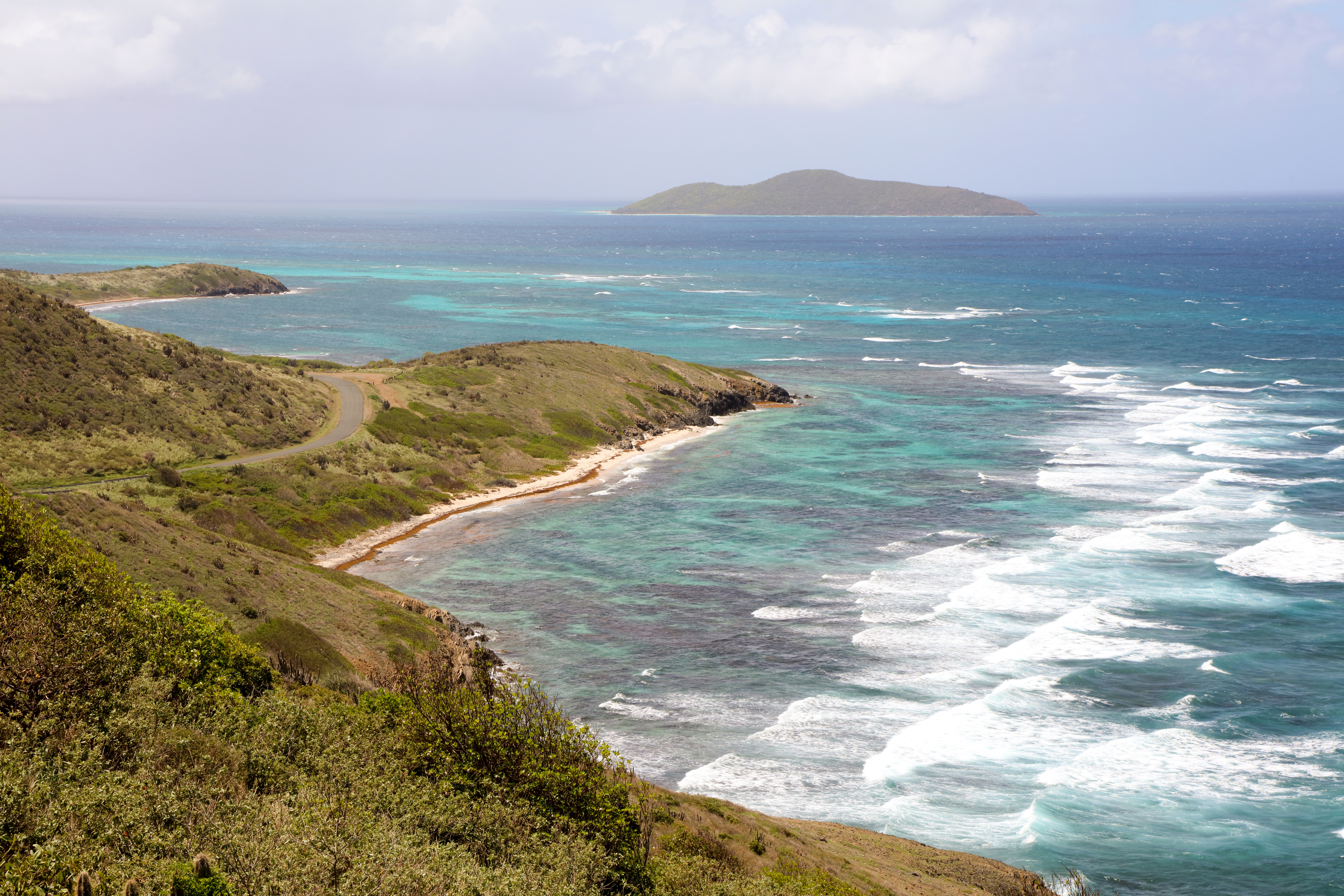
Start your road trip by exploring some of the top places to visit along the coast. Using a Gaspé Peninsula map can help you navigate between the national parks, quaint small towns, and outdoor adventures.
Reford Gardens
The Reford Gardens, known as the Jardins de Métis, are recognized as one of Québec’s outstanding horticultural gems. You can see over 3,000 native and exotic plants displayed across 15 English-style gardens here. Located about halfway between Québec City and Percé, this is a perfect pit stop for your road trip.
Every year, the Gardens host the International Garden Festival during the warmer months when the flowers are in full bloom. So if you visit during late June to early October, make sure to stop by when the growing season is at its peak.
Parc national de la Gaspésie
The Chic-Choc Mountains in the Parc national de la Gaspésie offer some of the best hiking in Québec. During the winter months, they’re also a popular destination for snowmobiling. These mountains run parallel to the St. Lawrence River and are home to moose, elk, and other wildlife.
While the national park is most accessible during the warmer months, outdoor enthusiasts prefer to snowmobile through the Chic-Choc Mountains in the winter when they’re covered with snow.
Forillon National Park
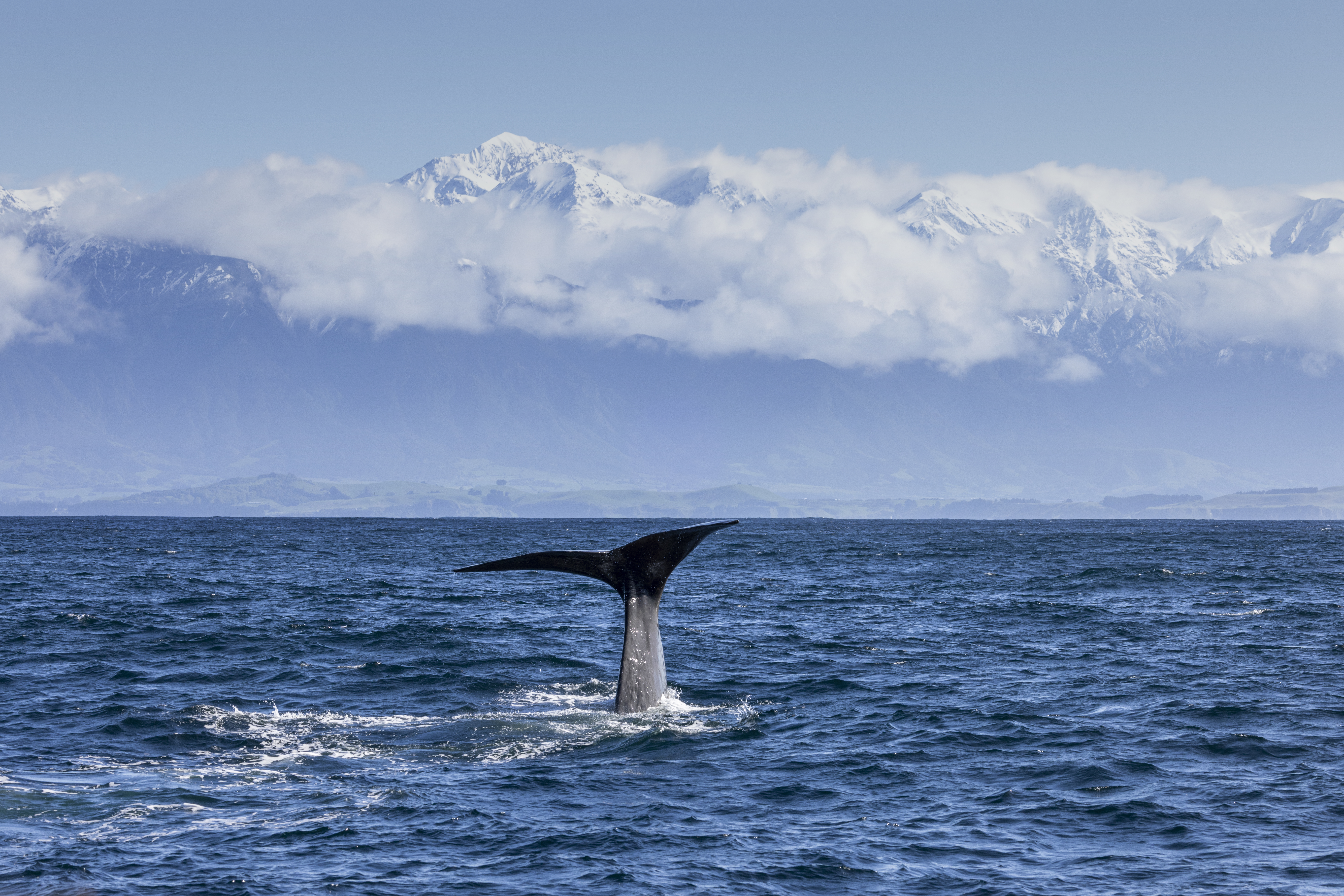
Filled with whale-watching opportunities and other major attractions, Forillon National Park is one of the most beautiful places to visit in the Gaspésie. Here you’ll find stunning cliffside hikes, forests, and scenic beaches with sandy and pebbled shores to walk along.
Travelling with your pets? This is the only national park in Québec with dog-friendly trails. The park is also home to Cap-des-Rosiers Lighthouse—the tallest lighthouse in Canada. Now a national historic site, this 34-metre-tall (112ft) building sits at the top of a cliff at the mouth of the St. Lawrence River.
Rocher Percé
The Gaspésie is home to an array of gorgeous mountains and coastal rock formations. Once you reach the tip of the peninsula, you’ll be treated to the highlights of your road trip—the Rocher Percé, a sheer rock formation that appears like a ship under sail from a distance. Some of the best places to view this major attraction are the Percé UNESCO Global Geopark and the Parc national de l’Île-Bonaventure-et-du-Rocher-Percé.
During the summer months, the park becomes the nesting home to more than 200,000 northern gannets and over 300 other species. So if you’re coming here for bird watching, be sure to add Rocher Percé to your Gaspé Peninsula itinerary.
Îles-de-la-Madeleine
If you have extra time, consider adding a detour to the Îles-de-la-Madeleine—a remote archipelago that sits apart from the main Route 132 loop but is well worth the side trip. Located in the middle of the Gulf of St. Lawrence, Îles-de-la-Madeleine is an archipelago of seven small islands, surrounded by white-sand beaches and red cliffs. They’re the perfect place for a romantic getaway or a scenic, exciting escape by the water for families. Each island has its own features and attractions, but you can expect incredible seafood, warm hospitality, and stunning landscapes on all of them.
Although the Îles-de-la-Madeleine are part of the Gaspésie Peninsula and the province of Québec, they're actually closer to the Maritime provinces of Prince Edward Island and Nova Scotia. There’s even a ferry to the islands that leaves from Souris, Prince Edward Island, if you’re visiting here from the East Coast.
Festivals in Gaspésie
Plan your road trip to coincide with one of Gaspé’s festivals to learn more about the history and culture of this unique region of Québec.
Festival Acadien
The Festival Acadien takes place each summer on Havre Aubert Island in the Îles de la Madeleine. In the late 1700s, the British expelled the Acadians from New Brunswick, Nova Scotia, and Prince Edward Island. Many of them settled in the Gaspésie region as refugees, and their descendants still live there today. This popular festival celebrates Acadian cuisine, music, and culture with boat-building competitions and races.
The festival is typically scheduled in early to mid-August. To stay close by on the island, check out Petit Hôtel de la Montagne.
Les Percéides
Les Percéides, or the International Festival of Cinema and Art of Percé, takes place in late August and has been a popular event in the Gaspésie region for many years. It’s located in the town of Percé, which has a number of hotels, bed-and-breakfasts, and camping options for attendees.
When is the best time to visit the Gaspé Peninsula?
The best time to plan a Gaspésie road trip is during the warmer months from the end of May to mid-October, when you can take advantage of water-based activities, fresh seafood, and good driving conditions.
Summer is also the best time for wildlife viewing on the Peninsula. If you visit in August or September, you can go whale watching and spot some of the hundreds of species of birds that call this region home. Thanks to the area’s maritime climate and mild temperatures, bird-watching season stretches from spring through November. Visiting in the fall also gives you a chance to visit Gaspésie when the foliage is in full bloom.
But if you want to get away from the crowds, avoid booking your trip during the peak summer months of July and August. Instead, plan a trip during the shoulder months when you’ll still get the same benefits but with fewer people and lower hotel prices.
Where to stay
The Gaspé Peninsula has several hotels and bed and breakfasts to choose from to rest and rejuvenate during your road trip. Some of the top picks along the way include:
Hôtel & cie (Sainte-Anne-des-Monts)
Riotel Percé (Percé)
Hôtel Le Mirage (Percé)
Hotel Motel Manoir de Percé (by Percé Rock)
Camping in Gaspésie
There are over 60 camping sites and locations to choose from throughout Québec’s Gaspé Peninsula. From rustic campgrounds to ready-to-camp cabins at Camping Baie de Percé, you’ll find outdoor accommodation options for every level of camper. If you’re travelling to Forillon National Park, stay at a campsite or reserve an oTENTik or microcube through Parks Canada for a glamping experience.
Planning your Gaspé Peninsula road trip
To reach the Gaspé Peninsula, your best route is to fly to Québec City or Montreal, rent a car, and start exploring. If you begin from Montreal, you’ll end up passing through Québec City, so why not plan a day or two of sightseeing in Québec’s capital city?
There’s only one route to follow for a Gaspé Peninsula road trip, which is Route 132. From Québec City, it’s 350km to Sainte-Flavie, which is considered the gateway to the Gaspé region. From here, the route splits to the Grand Tour Circuit. For the best views, follow the route north along the St. Lawrence River all the way to Percé at the tip of the peninsula.

Gaspé road trip itinerary
Although a week is recommended for travelling around Gaspé, you can always take longer if you want to camp and really explore the region. With that in mind, here’s a rough itinerary for a perfect Gaspé Peninsula road trip:
Day 1: Fly into Québec City or Montreal
Day 2: Québec City to Sainte-Anne-des-Monts
Day 3: Sainte-Anne-des-Monts to Gaspé
Day 4: Gaspé (Forillon National Park)
Day 5: Gaspé to Percé (Rocher Percé)
Day 6: Percé to Mont-Joli (or another stop to break the drive to Québec City)
Day 7: Mont-Joli to Québec City
Start planning your trip to the Gaspé Peninsula today
With its natural beauty, rich history, and commitment to the arts, the Gaspé region has something for everyone. Rent a car, book your hotel stay, and start planning your trip to see this unmissable Québec destination!
Frequently asked questions: Gaspé Peninsula
Skyscanner can help you find the best flight, hotel, and car rental deals for your next trip.


