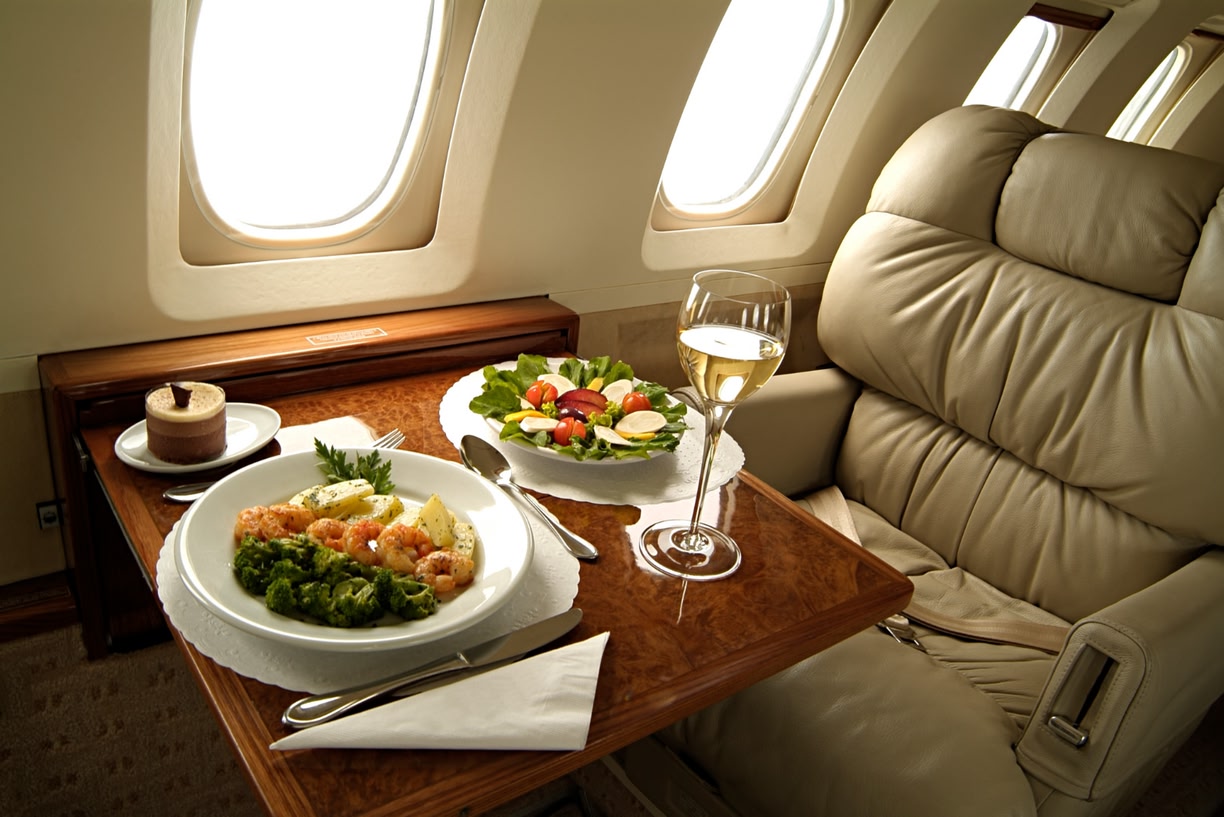
While it's possible to score a free flight upgrade, it takes strategy to get bumped to business or first class.
Free upgrades are usually the result of good timing, loyalty benefits, travel flexibility, and knowing how airlines actually manage their seats. From using your Aeroplan card to how you present yourself at the airport, learn how to get a flight upgrade for free with these tips.
How to get a free business class upgrade or first class seat on your next flight
Cheap flights sometimes mean cramped middle seats and limited snack options, but you can make your journey more comfortable by understanding how airlines prioritize fare upgrades. These upgrades aren’t handed out randomly. Instead, they tend to go to passengers who are flexible, prepared, and easy for airline staff to work with.
It’s also important to manage expectations, since some airlines enforce strict “no free upgrade” policies. Otherwise, use these tips to score a free upgrade on your next flight.
1. Check in early
Timing matters more than most people realize. Arriving early doesn’t guarantee an upgrade, but arriving late almost guarantees you won’t get one. Once boarding begins and seats are assigned, your options and opportunities disappear quickly.
Early check-in gives airline staff flexibility and lets you gauge the seating situation before the gate gets busy. Don't ask gate agents about upgrades when they're overwhelmed by boarding lines, phone calls, or last-minute issues — wait until they appear relaxed.
When you do ask for a free upgrade on a flight, a simple, respectful approach is far more effective than joking, pleading, or entitlement. Friendly passengers are easier to accommodate than demanding ones, especially when agents are juggling multiple responsibilities.
2. Be a frequent flyer
Frequent flyer status is one of the strongest factors in your favor if you're aiming for a free upgrade. Airlines reward customer loyalty, and elite members are prioritized automatically when premium seats open up. If you fly even semi-regularly, join an airline rewards program. Even travelling with a frequent flyer who has elite status can improve your chances of an upgrade by proxy, especially on less crowded flights.
With programs like Aeroplan, every flight earns points that count toward status levels. Higher tiers unlock perks, such as priority boarding, standby privileges, and upgrade eligibility. When economy cabins are oversold, but business or premium economy have space, elite members are almost always upgraded first.
3. Dress the part
Airlines won’t officially say clothing matters, but appearance still plays a role in discretionary decisions. Pajamas, flip-flops, or overly casual outfits don’t disqualify you, but they also don’t help.
You don’t need to break out the tux, but premium cabins target business travellers and higher-paying customers, so dressing in clean, business-casual attire signals that you understand the environment and can fit in seamlessly.
4. Volunteer to get bumped
Airlines regularly oversell economy seats and rely on volunteers to keep flights running smoothly. Volunteering to give up your seat is one of the most reliable ways to receive an upgrade or equivalent compensation.
If your schedule is flexible, you can volunteer to get bumped to the next flight in exchange for an upgrade to a premium fare. Even if the airline doesn't upgrade your fare, they may offer compensation such as reimbursements, travel credits, points, meal vouchers, or hotel stays.
5. Travel solo
Solo travellers are much easier to upgrade than groups. Moving one person into a premium seat is simple, but moving multiple people creates logistical challenges for airlines. This strategy is even stronger if you’re travelling with carry-on luggage, since passengers with minimal baggage are easier to reassign, especially during quick turnarounds.
6. Fly during off-peak times
Peak travel times are bad news for free upgrade potentials. Flights during holidays, weekends, and business-heavy hours tend to be full across all cabins, but off-peak flights often have unsold premium seats. Midweek flights, late-night departures, early afternoon routes, and off-season travel typically see lower demand for first and business class.
7. Casually mention special circumstances
Special circumstances should never be exaggerated or misrepresented, but it’s appropriate to share casually if they're real. Whether for medical recovery, mobility challenges, meaningful life events, or other special circumstances, dropping this info in conversation with your check-in or gate agent can sometimes influence seating decisions.
Airline staff are trained to assess these situations quickly, so practice honesty and restraint. Overplaying a story or expecting special treatment more often works against you.
When to pay to upgrade your seat
Even with perfect timing and loyalty, free business class or first class upgrades are never guaranteed. If comfort is important, such as on long-haul flights, paying for an upgrade can be a practical decision.
Airlines frequently discount upgrades after tickets are booked. Online check-in windows, typically 24 to 72 hours before departure, may reveal reduced prices for unsold premium seats. Bidding systems allow passengers to name their price, sometimes resulting in major savings.
Travel credit cards also offer upgrade-related perks, such as bonus points, credits, or preferred pricing. Using these strategically can reduce the cost of premium seating without paying full fare.
What’s the difference between business and first class?
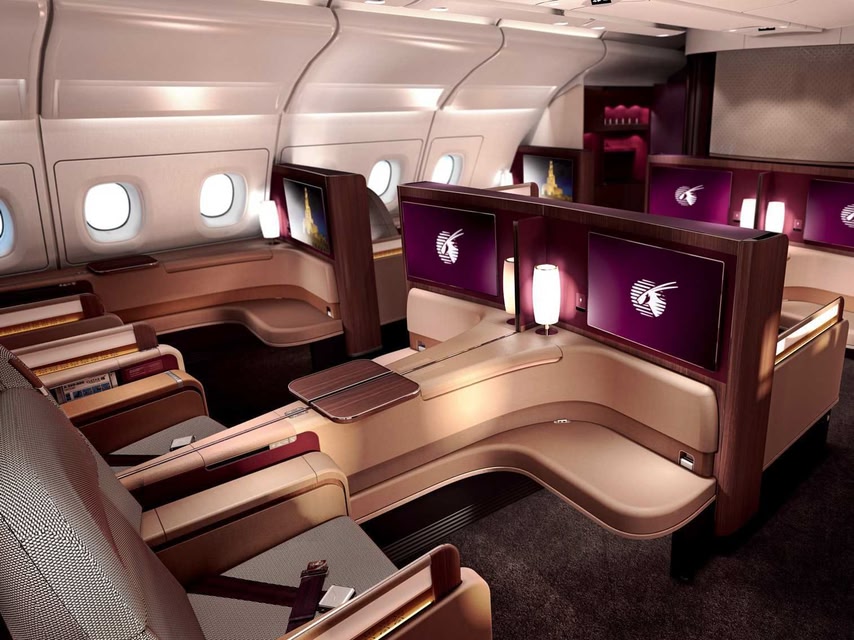
On many domestic routes, the difference between business and first class is smaller than expected. Both usually offer wider seats, extra legroom, priority boarding, and enhanced service. In some cases, the distinction is mostly branding rather than comfort.
Fare differences on international flights have more obvious distinctions. Business class typically includes lie-flat seats and upgraded dining, while first class adds privacy, luxury amenities, and highly personalized service. Choosing between the two depends on flight length, airline, and how much you value.
Canadian airlines that offer upgrades
Air Canada allows you to bid for an upgrade, and passengers can also upgrade to their Signature Class and Premium Economy Class. Not all seats are eligible for an upgrade, so check your route first. Bidding and offers for an upgrade can only be made by passengers 48 hours before the flight. WestJet also has a bidding system that starts up to 24 hours before departure. Alternatively, you can also make a separate upgrade offer to WestJet on certain flights.
Ready to take your next vacation? Skyscanner can help you find the best flights, hotels, and car rental deals.


